
The Collective Intelligence Project (CIP) is an incubator for new governance models for transformative technology. Cofounded by Divya Siddarth and Saffron Huang, its objective is the research and development of collective intelligence capabilities: decision-making technologies, processes, and institutions that expand a group’s capacity to construct and cooperate towards shared goals.
The foundational Whitepaper published last February 6 presents a clear explanation of the challenge and opportunities of collective intelligence.
Our most pressing challenges are fundamentally collective intelligence challenges: pandemics, climate change, plutocracy, and catastrophic risks from technology all require better ways to set and execute on priorities.
Our collective intelligence systems help achieve collective goals. Global governance institutions and transnational corporations, standards-setting organizations and judicial courts, the decision structures of universities, startups, and nonprofits have allowed us to build incredible things. But they are also failing us.
Our governance models have fallen prey to the transformative technology trilemma. Coalescing camps implicitly or explicitly assume the need to accept significant trade-offs between progress (advancing technological capabilities), participation (enabling public input and self-determination), and safety (avoiding disproportionate risks).
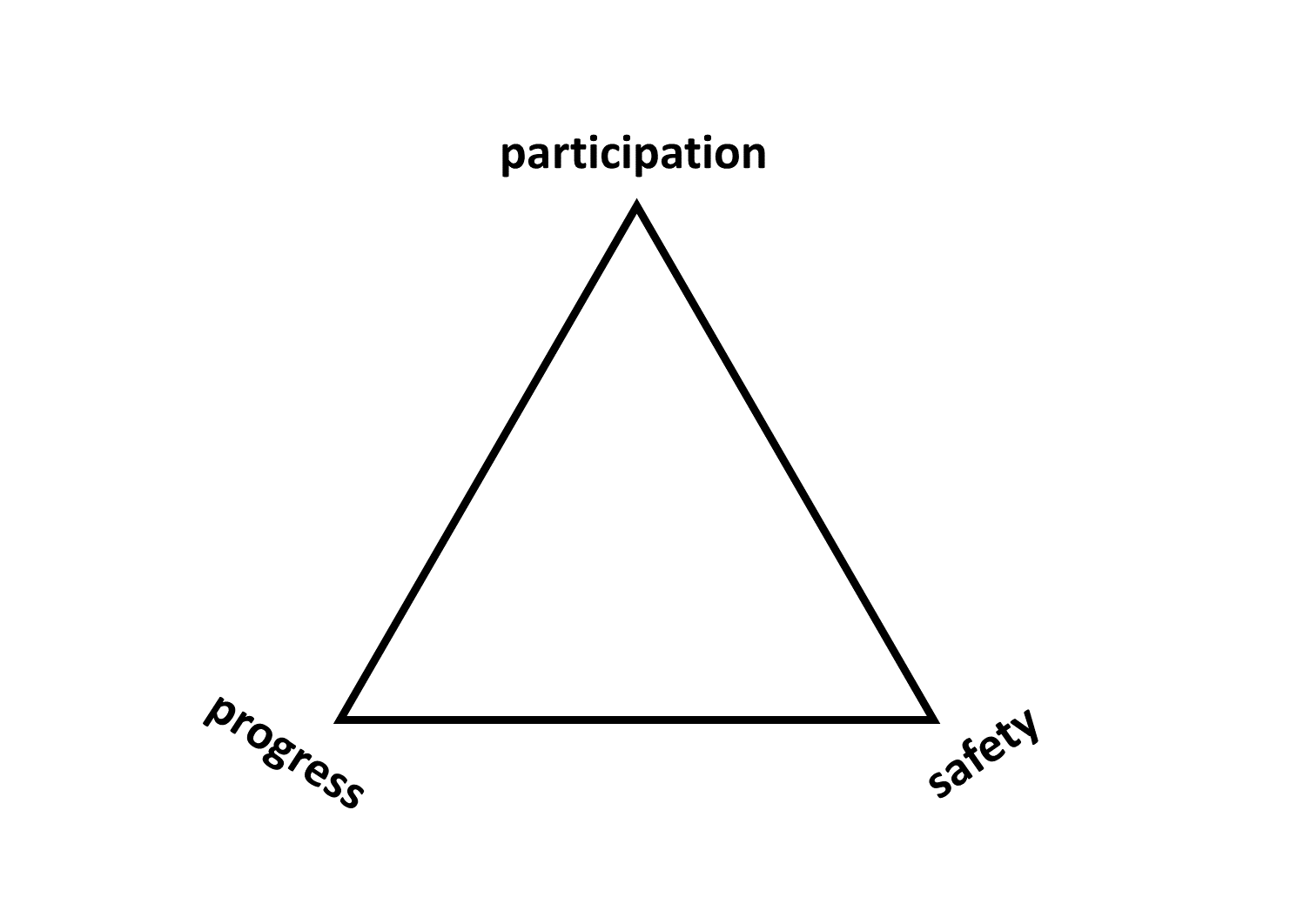
This leads to a set of three failure modes (scenarios):
- I. Capitalist Acceleration: Sacrificing safety for progress while maintaining basic participation.
- II. Authoritarian Technocracy: Sacrificing participation for safety while maintaining basic progress.
- III. Shared Stagnation: Sacrificing progress for participation while maintaining basic safety.
The Solution: Collective Intelligence R&D
CIP goal is to find a fourth path, by developing a plurality of Collective Intelligence systems that encompass all three goals: participation, safety, and progress. When trade-offs must be made, they should be made in light of material outcomes and state-of-the-art information and preference gathering, not preconceived assumptions.
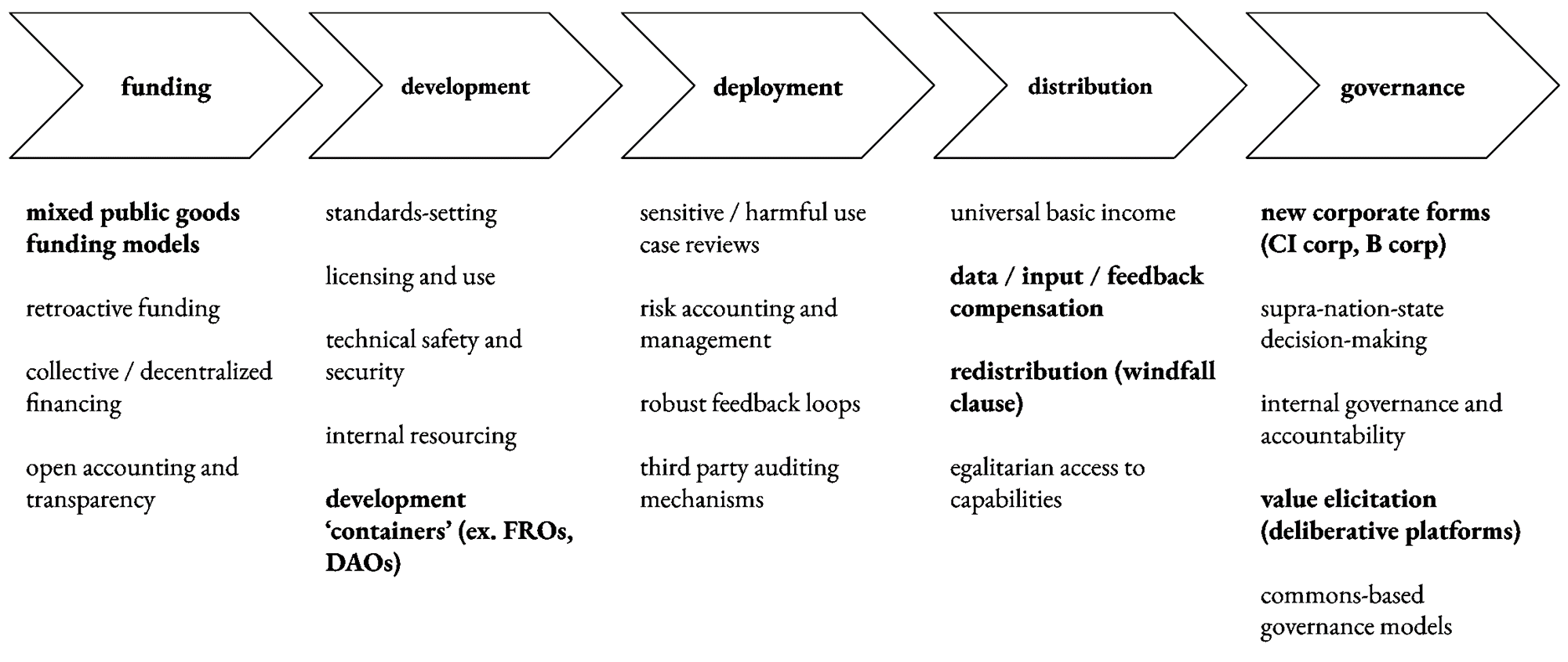
CIP initial R&D push will span two categories:
- I. Value elicitation: Given a set of possible directions for technology deployment, how might we aggregate, understand, and incorporate the conflicting values of overlapping groups of people?
- II. Remaking technology institutions: Given competing incentives between progress, safety, and participation, how might we build a collectively-intelligent institution for developing and deploying transformative technology?
Towards a Collectively-Intelligent Future: Building collective intelligence is both a human-scale and humanity-scale project. It will take ambitious experimentation through collective effort from diverse corners.
We humans created our current Collective Intelligence Systems. We can remake them.
____________________
Featured Image: Norbert Bisky, Big Trilemma, 2017
 Mind the Post