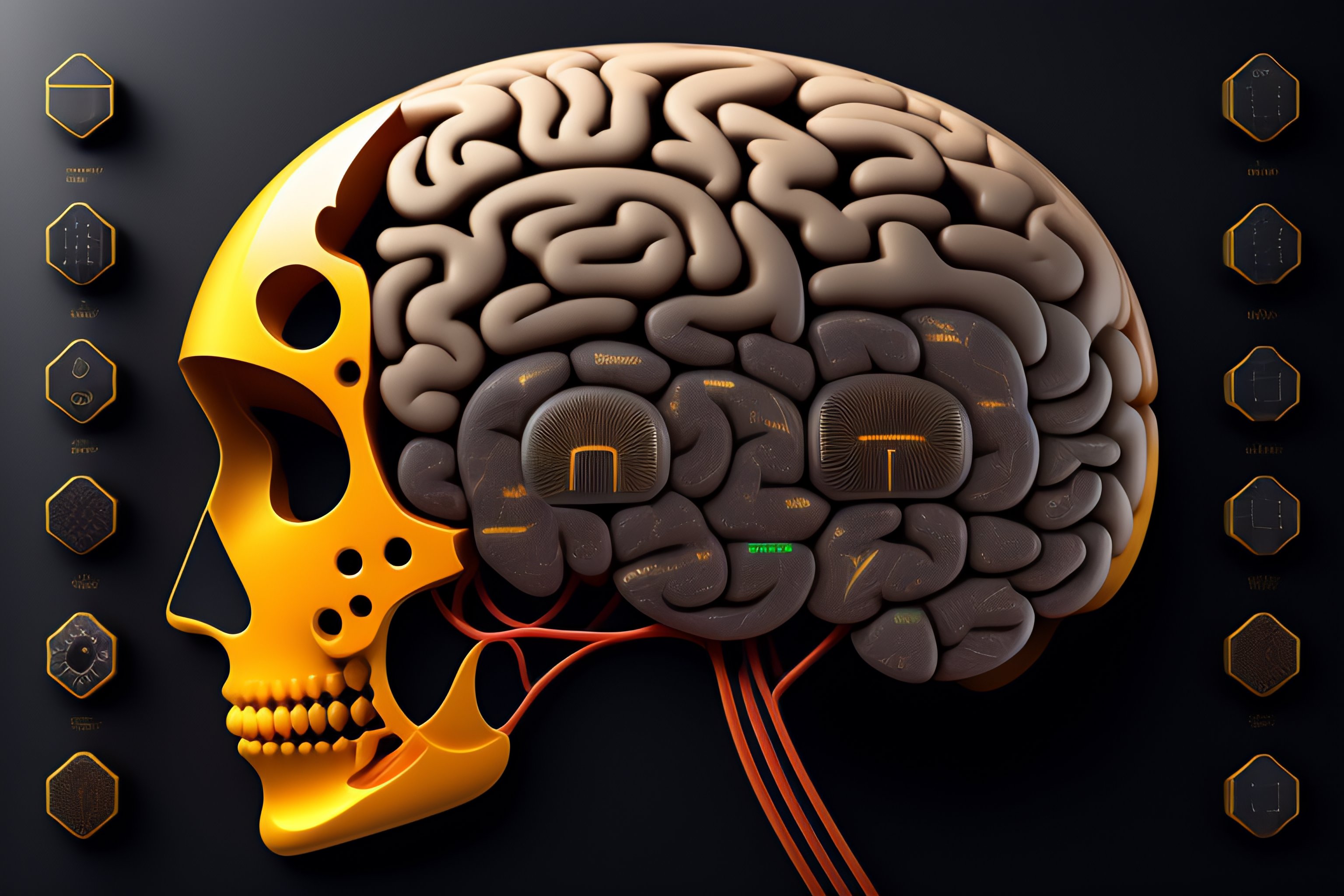
In 2010, an Australian woman named Rita Leggett received an experimental seizure-tracking brain-computer interface (BCI) implant provided by the company Neuravista. She was 49 year old when she was recruited for the trial, though she’d suffered from epilepsy since she was just three years old. The implant changed her sense of agency and self, her agential capacities. She “became one” with her device. Two years later, she was told she had to remove the implant because Neuravista had gone bust.
Today, thousands of people worldwide, suffering from a wide range of conditions, live with a neural implant of some kind. The removal of Rita’s implant, and many other like it, raises critical ethical and legal questions1: what moral and legal rights are BCI implanted individuals entitled to as patients?
We report on the case of one patient (Patient R) implanted with a BCI that was designed to keep her in the decisional loop by detecting epileptic seizures through brain data collection. Postoperatively, Patient R experienced a robust sense of empowerment, embodiment, mergence, de novo agential capacities which appeared inseparable from functioning with her implanted device. Yet, when the device manufacturer forced her to undergo device explantation, she suffered substantial harms to her de novo self-concept. In particular, Patient R experienced radical psychological discontinuation and disruption of agential capacities, which continue to cause persistent emotional and affective harms years after system operator removal. The case of Patient R raises critical ethical and legal questions: what moral and legal rights are BCI-implanted individuals entitled to as patients? Are we in front of new fundamental rights issue, —specific to the cerebral, mental, and agential domain, hence called “neurorights”?
I have little doubts about transhumanism and a post human future, The future will be weird, and given our chaotic social innovation processes, it will be a long and winding road.
____________________
(1) Gilbert, Frederic, Marcello Ienca, and Mark Cook. ‘How I Became Myself after Merging with a Computer: Does Human-Machine Symbiosis Raise Human Rights Issues?’ Brain Stimulation: Basic, Translational, and Clinical Research in Neuromodulation 16, no. 3 (1 May 2023): 783–89. https://doi.org/10.1016/j.brs.2023.04.016.
Featured Image: Human brain merging machine ai parts, Lexica
 Mind the Post